Author: jstrama
-
First OWI in Wisconsin: What Happens to Your License and Insurance?
A first OWI in Wisconsin can create several different problems at the same time. You may be dealing with court paperwork, a driver’s license revocation, an alcohol or drug assessment, higher insurance costs, and questions about whether you can still drive to work. One of the biggest sources of confusion is SR-22 insurance. Many drivers…
-
Ignition Interlock in Wisconsin: When It’s Required and How It Affects Your SR-22
An ignition interlock device can become one of the most important requirements a Wisconsin driver has to complete after certain OWI-related violations. But an ignition interlock requirement and an SR-22 requirement are not the same thing. You can be ordered to use an ignition interlock device without automatically being required to carry an SR-22. You…
-
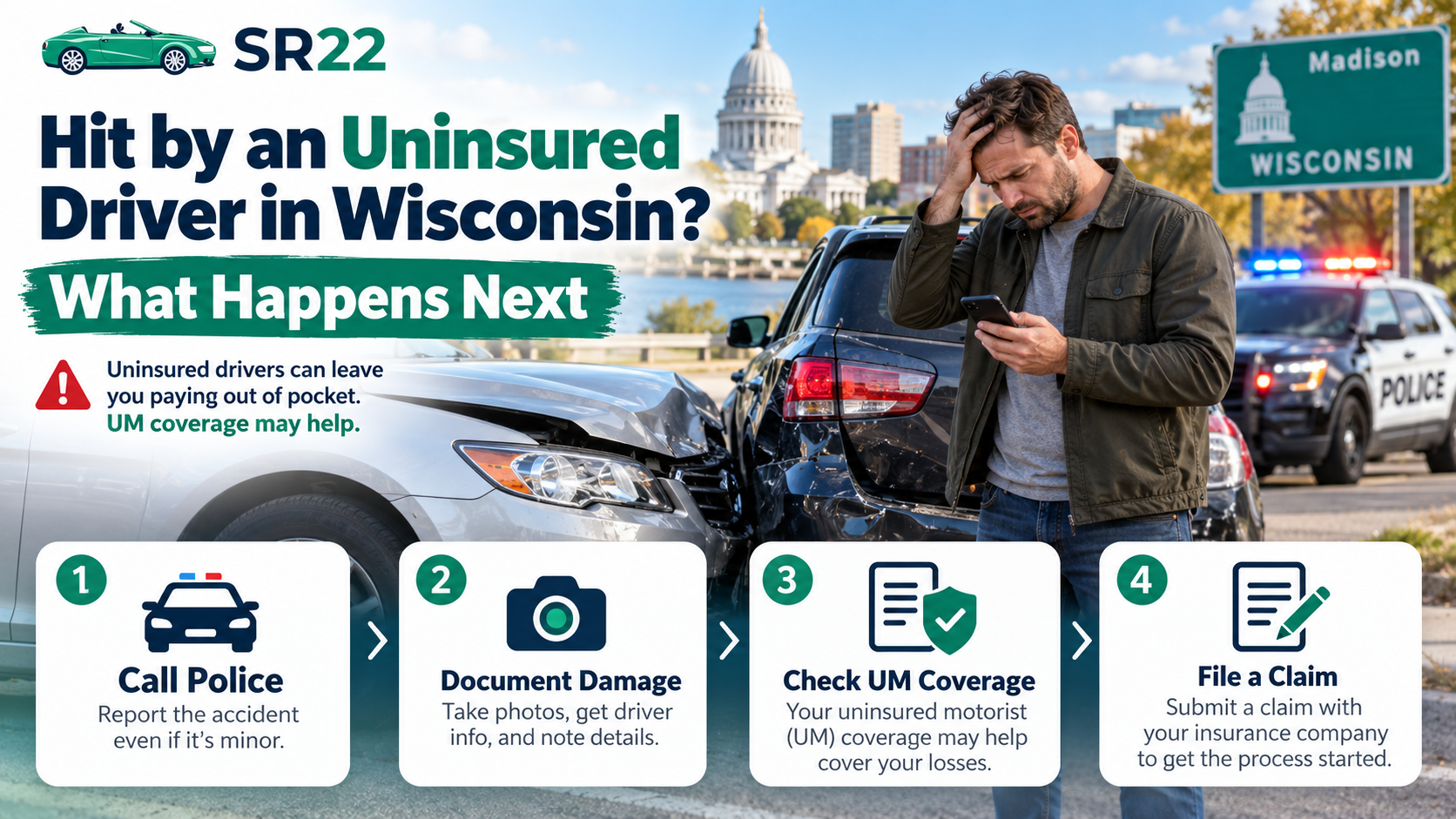
What Happens If You’re Hit by an Uninsured Driver in Wisconsin?
Being hit by another driver is stressful enough. Finding out that the person who caused the crash does not have automobile liability insurance can make the situation even more confusing. In Wisconsin, an uninsured accident can create issues for both sides of the crash. The injured driver may need to rely on their own insurance…
-
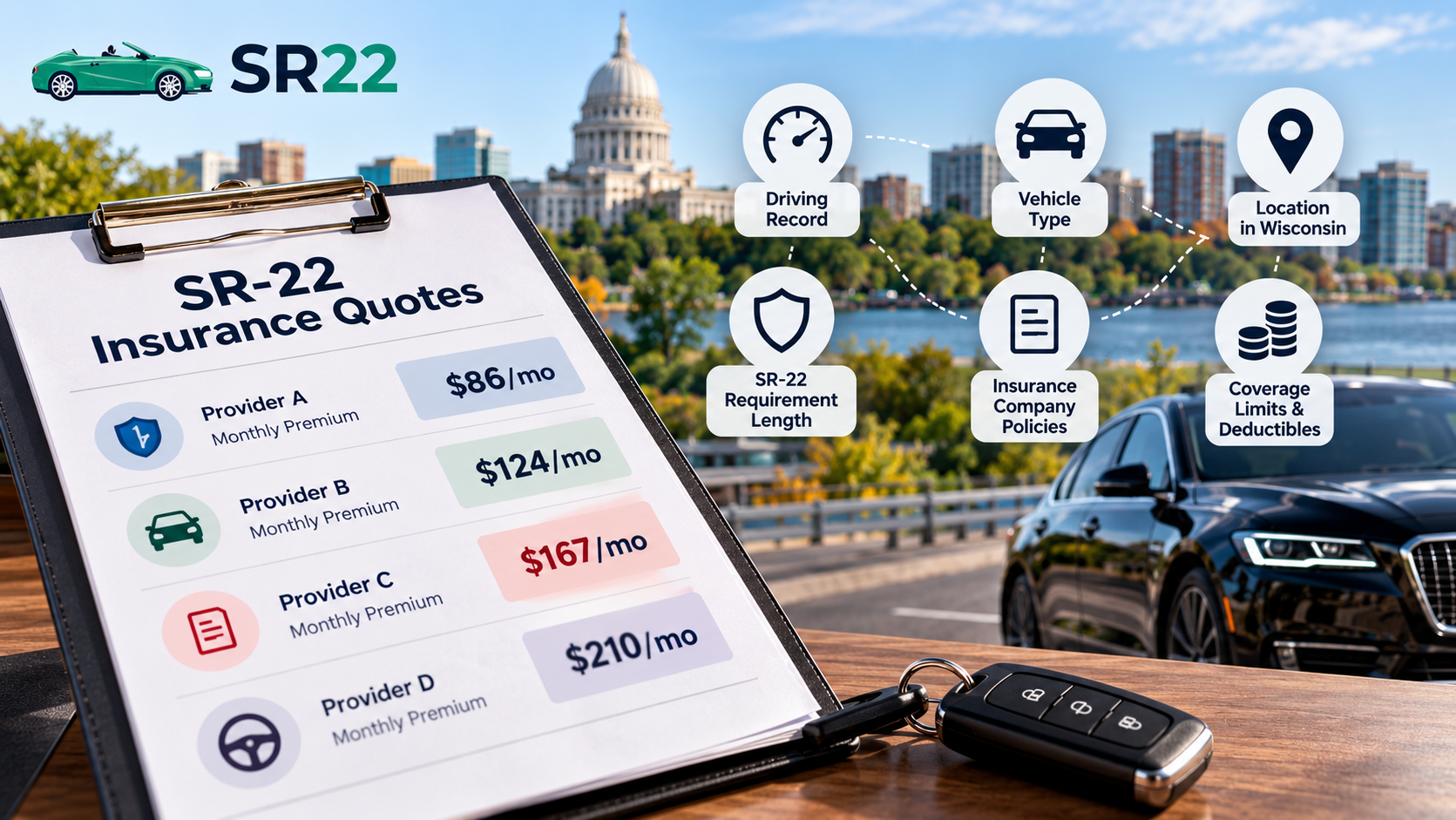
Why Are SR-22 Insurance Quotes So Different in Wisconsin?
Two Wisconsin drivers can request SR-22 insurance on the same day and receive very different prices. Even the same driver can receive quotes that are hundreds of dollars apart from different insurance companies. That does not necessarily mean one insurer is overcharging. Insurance companies have their own underwriting rules, rating systems, discounts and appetite for…
-
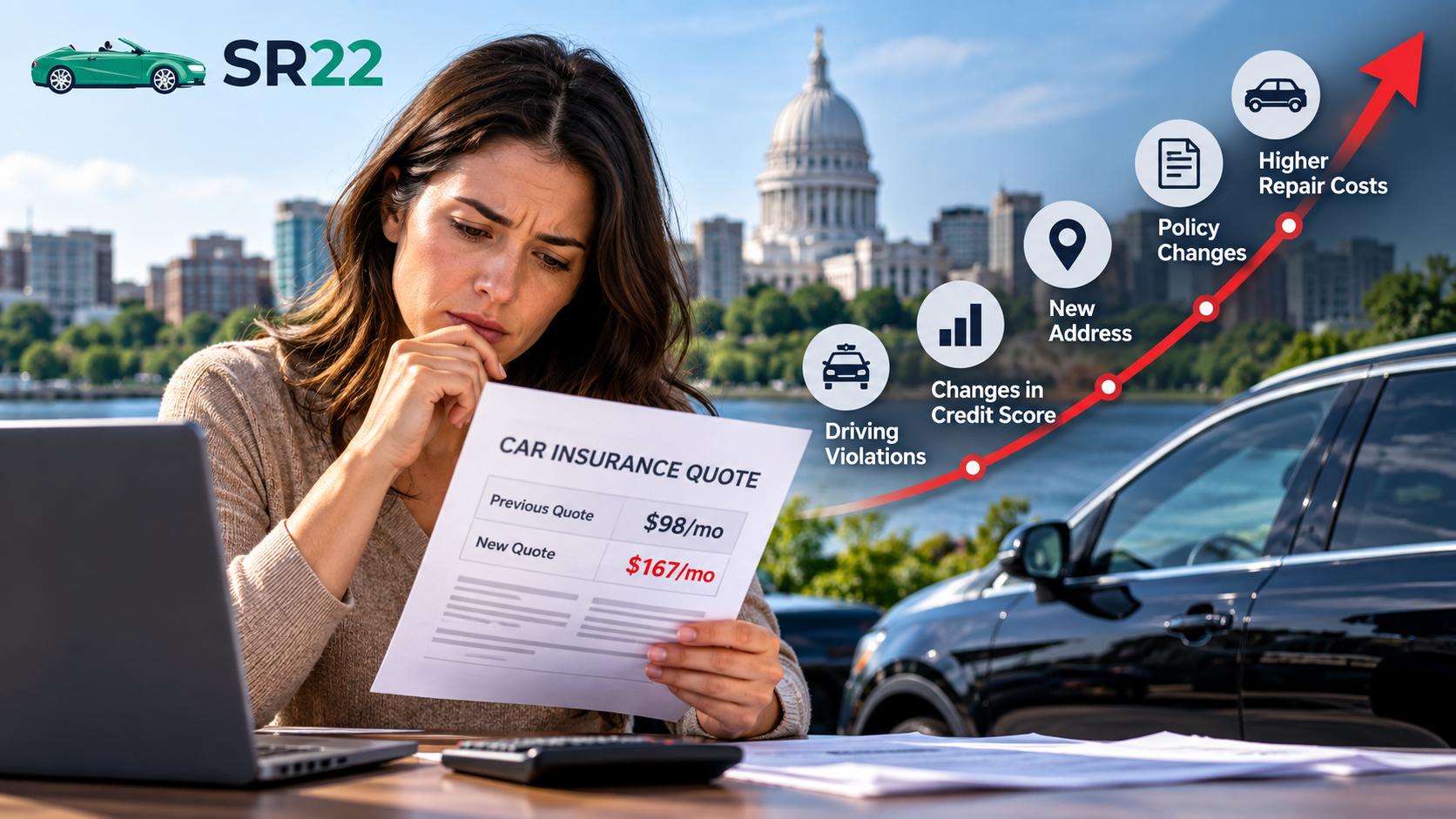
Why Did My Wisconsin Car Insurance Quote Change After I Applied?
A car insurance quote can change after you submit an application because the first price may be based partly on information you provided, while the insurer’s underwriting process can verify additional details about your driving record, claims history, household, vehicle, prior insurance and other rating factors. In Wisconsin, insurance companies use underwriting to decide whether…
-
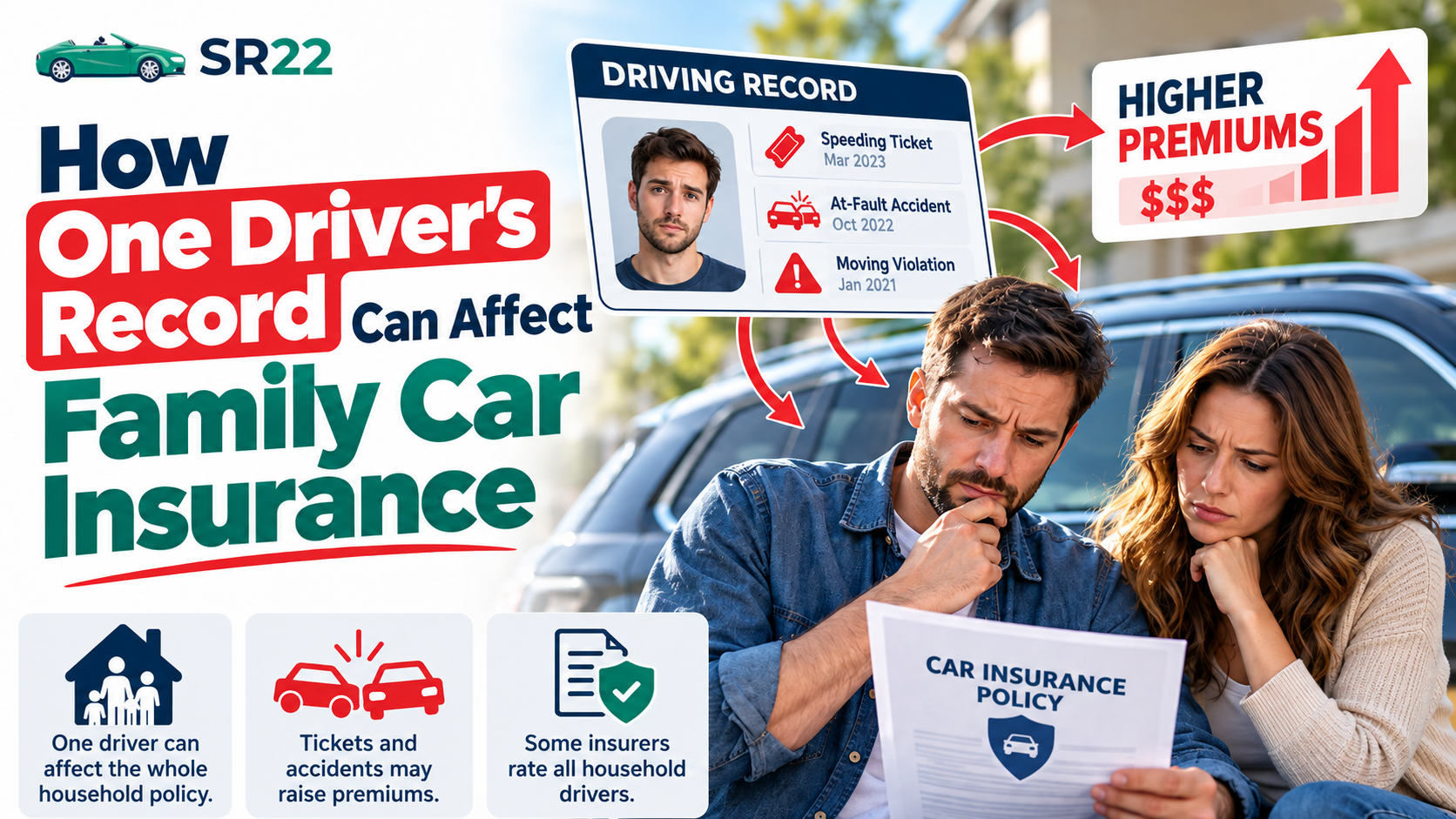
How One Driver’s Record Can Affect Family Car Insurance in Wisconsin
One driver’s bad driving record can affect more than that driver’s own insurance. In Wisconsin, an insurance company may consider the driving records of licensed drivers in your household when deciding whether to insure your vehicles and how much to charge. That means an OWI, serious traffic violation, repeated tickets or accidents involving a spouse,…
-
What Happens to Your SR-22 If You No Longer Have a Car in Wisconsin?
Selling your car, having it totaled, losing it to repossession or simply deciding to stop owning a vehicle does not automatically end an SR-22 requirement in Wisconsin. If the Wisconsin Department of Transportation still requires you to maintain proof of financial responsibility, you need to address the insurance and SR-22 filing separately from what happened…
-
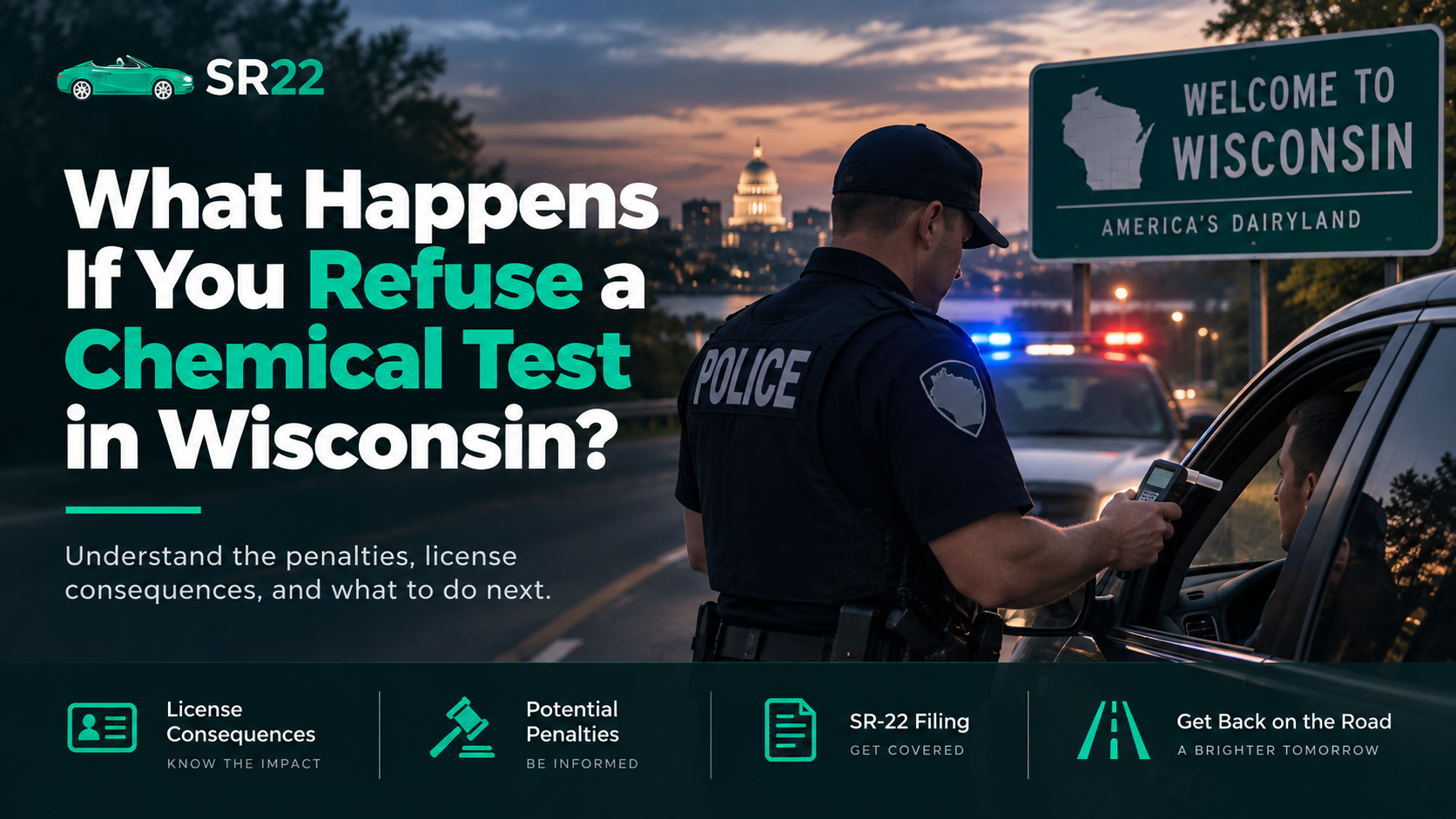
What Happens If You Refuse a Chemical Test in Wisconsin?
Refusing a chemical test after an OWI arrest in Wisconsin can create consequences that are separate from the OWI charge itself. Wisconsin’s Implied Consent Law allows law enforcement to request an evidentiary test of your breath, blood, or urine after an arrest involving suspected impaired driving. If you refuse a requested test, you may receive…
-
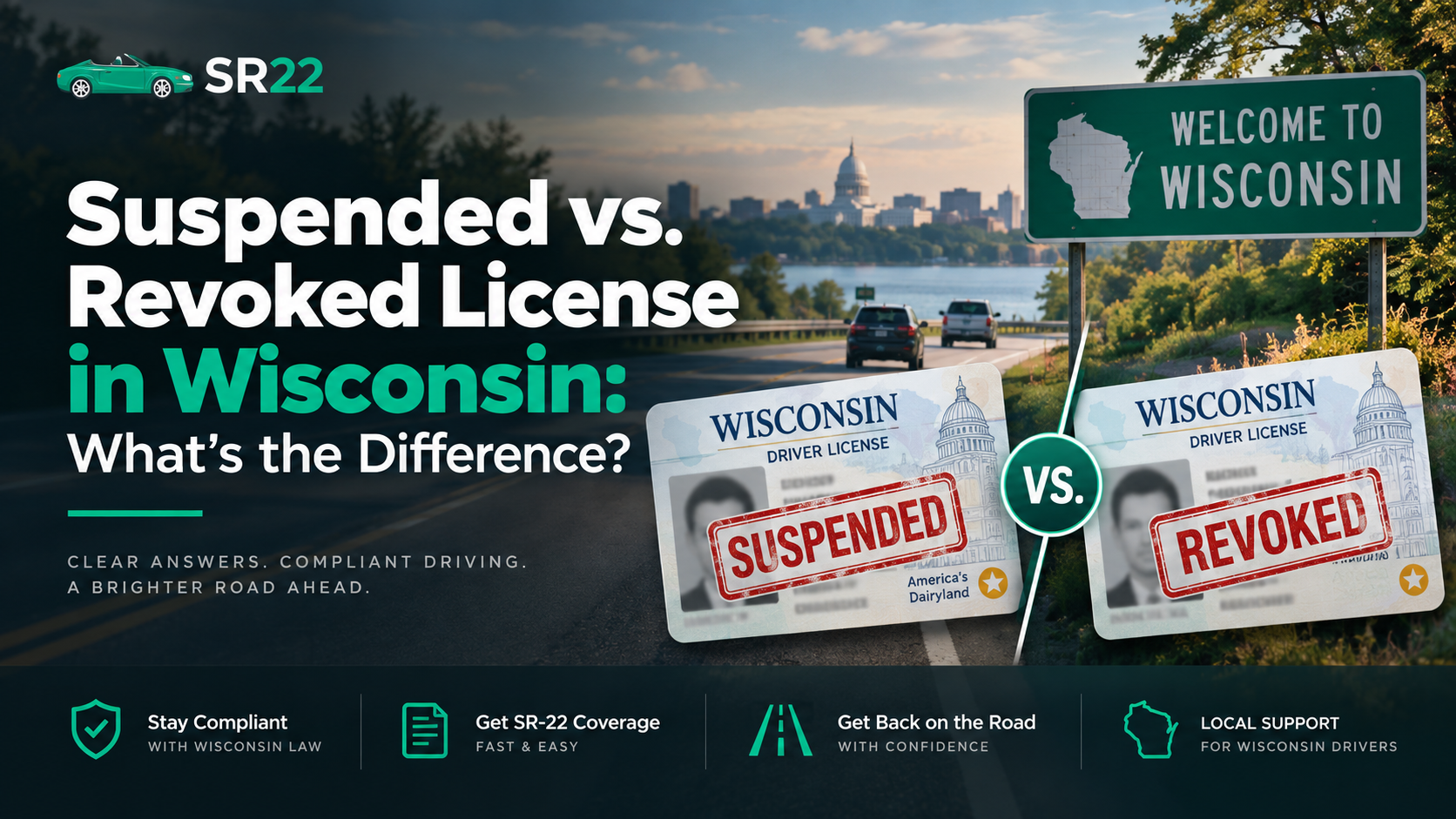
Suspended vs. Revoked License in Wisconsin: What’s the Difference?
Suspended and Revoked Licenses Are Not the Same Thing If Wisconsin has taken away your driving privileges, your notice may say that your license is suspended or revoked. Those terms are often used interchangeably in everyday conversation, but they do not necessarily mean the same thing. WisDOT recognizes suspension and revocation as separate types of…
-
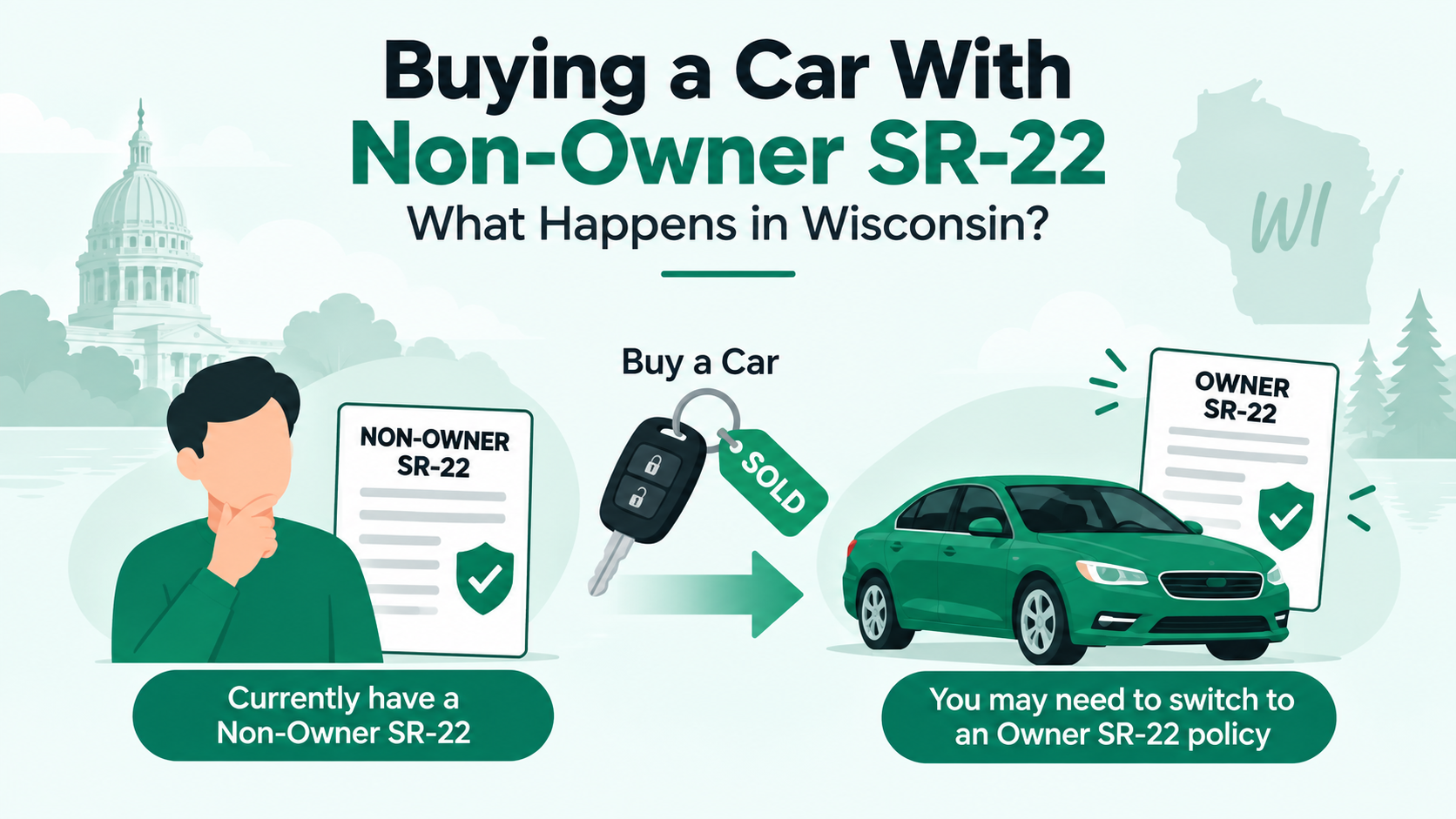
Buying a Car Changes Your Non-Owner SR-22 Situation
If you currently have non-owner SR-22 insurance in Wisconsin and decide to buy a car, your insurance situation changes. A non-owner policy is generally intended for someone who does not own a vehicle. Once you become a vehicle owner, you should contact your insurance provider and have your coverage reviewed. The important part is not…